Ice bath & contrast therapy
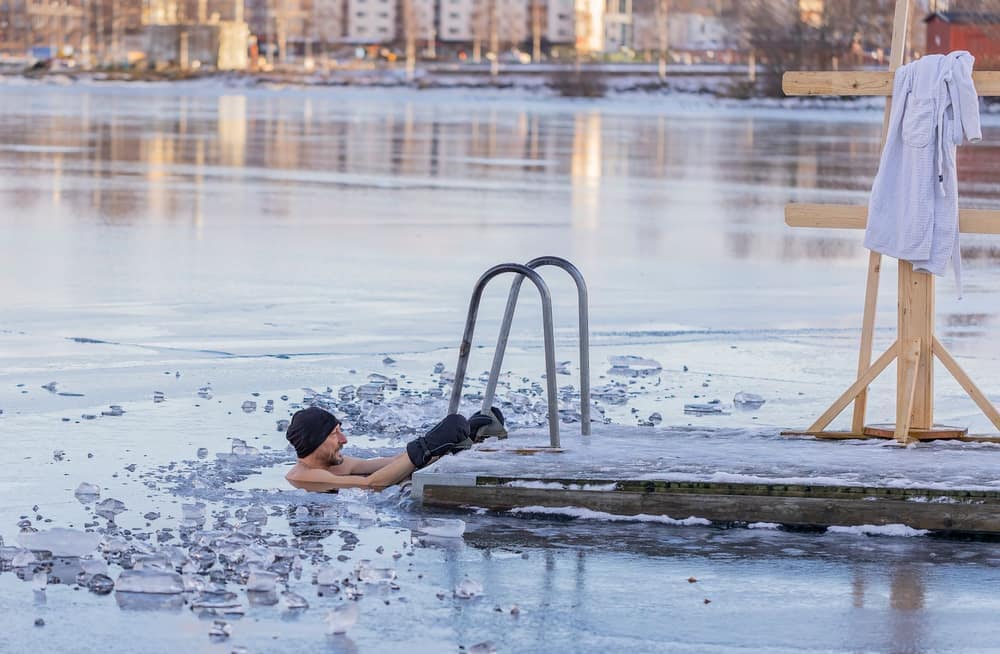
Ice baths and contrast therapy mean immersing the body in cold water, and sometimes alternating with heat, for short timed periods.
118 venues · across Australia
Ice bath & contrast therapy at a glance
Top ice bath & contrast therapy venues in Australia
118 venues


Ice bath & contrast therapy by city
About ice bath & contrast therapy
What it is
Cold-water immersion (an ice bath or cold plunge) involves sitting in water typically held around 8 to 15 degrees Celsius for a short time. Contrast therapy alternates cold immersion with a sauna or hot bath. Both are used as part of recovery routines.
What a session involves
You enter the cold water up to the chest or neck for a timed period, often one to several minutes, focusing on steady breathing. Contrast sessions move between cold and hot for several rounds. Venues guide first-timers on duration.
What people commonly book it for
These describe why people go — they are reasons sought, not outcomes any venue can promise.
- Cold exposure as part of a training or recovery routine
- Contrast rounds that alternate cold with a sauna
- A short, structured cold session with staff guiding duration
- Pairing into a wider recovery circuit with sauna or float
What to look for in a venue
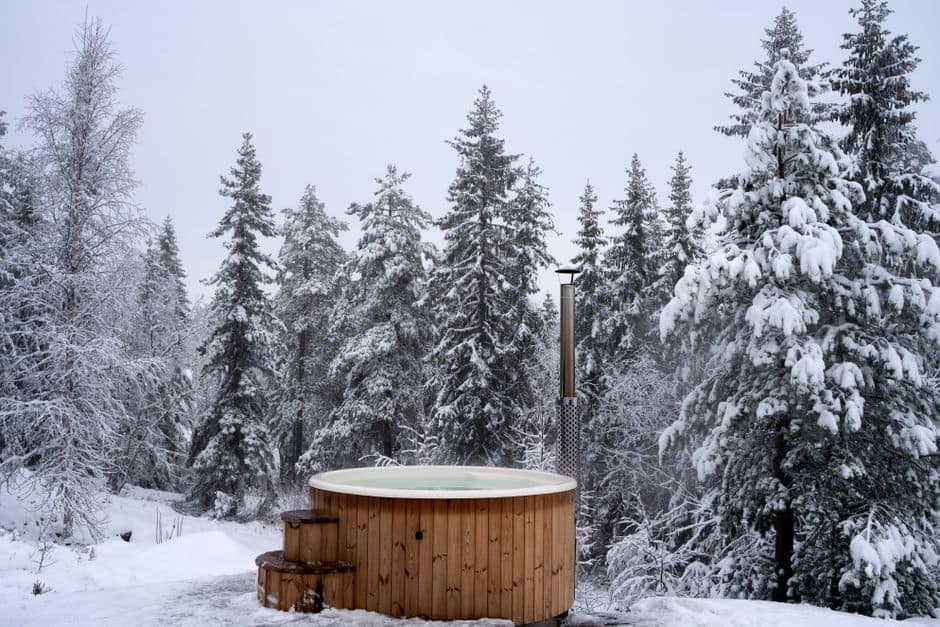
Venues differ in water temperature, hygiene and turnover, whether plunges are private, and whether a sauna is available for contrast. Each venue profile lists what it offers.
Water temperature & turnover
Ask what temperature the plunge is held at — commonly 8 to 15 degrees Celsius — and how often the water is changed or filtered. A venue that knows both numbers runs a properly maintained tub.
Hygiene between users
Shared plunges need a visible cleaning and filtration routine between sessions. Look for posted water-testing records or ask staff how often the tub is drained and refilled.
First-timer guidance
Staff should set an expected duration and talk you through steady breathing before you get in. Ask who times the session and what happens if you want out early.
Contrast & sauna availability
Some venues run a plunge alongside an infrared sauna for a hot-cold contrast circuit, others offer the plunge alone. Check what's available and whether a circuit needs a separate booking.
Questions worth asking
What temperature is the water held at, how often is it turned over, and is a private plunge available? Clear answers are a good sign.
How much ice bath & contrast therapy costs
| Option | Typical range | Notes |
|---|---|---|
| Casual single plunge | $25–$50 | The common walk-in price at Australian recovery studios |
| Intro offer | $10–$25 | Many studios discount a first visit |
| Contrast circuit / class | $35–$60 | Cold plus sauna in one booking |
| Unlimited monthly membership | $120–$250 | Common at dedicated recovery studios |
Indicative only — typical advertised prices in Australia as of mid-2026. Check current pricing with the venue.
Who should check with a qualified health practitioner first
Speak with your GP or specialist before booking if any of these apply:

You are pregnant.
You have a heart condition or high blood pressure.
You have a circulatory condition such as Raynaud's.

You have epilepsy.
You are unwell or have an open wound.
Common questions
How cold is the water in an ice bath?
Most Australian recovery studios hold the plunge around 8 to 15 degrees Celsius. Some venues run colder tubs for experienced users, so ask before you book if you're new to it.
How long do people stay in?
Sessions are usually timed at one to five minutes, with staff setting the duration for first-timers. Longer stays aren't necessarily the goal — steady breathing throughout matters more than time.
Is an ice bath the same as cryotherapy?
No. An ice bath is cold-water immersion, while whole-body cryotherapy uses very cold air in a chamber for a much shorter time. They're different equipment and a different experience, even though both are used for cold exposure.
What is contrast therapy?
Contrast therapy alternates a cold plunge with a hot sauna or bath over several rounds. Venues that offer both will usually suggest an order and round count for a first visit.
What do I wear in the plunge?
Swimwear is standard, and most plunges sit in a shared or semi-private room. Check with the venue if a fully private setting matters to you.
How is the water kept hygienic?
Venues filter and turn over plunge water on a schedule and may test it between sessions. Ask how often the tub is drained and refilled if hygiene is a concern.
Do I need to be fit to try it?
No particular fitness level is required, but venues will ask about heart conditions, pregnancy and circulatory issues such as Raynaud's before you start. Tell staff about any relevant health conditions beforehand.
Can beginners do a cold plunge?
Yes. Most studios start first-timers with a shorter, staff-guided session and build duration over repeat visits rather than starting at the longest time on offer.
The full ice bath & contrast therapy guide
Read the guide →Pairs well with
The information on this page is general only and is not medical or health advice. It describes what this service is and what people commonly use it for. It is not a diagnosis, treatment, or recommendation, and it does not represent that this service treats, cures, or prevents any disease or condition.
Always consult a qualified health practitioner before starting any recovery or wellness service, especially if you are pregnant, have a medical condition, or take medication.
Listings are compiled from venues and from third-party and public sources and may contain errors or be out of date. A listing is not an endorsement or recommendation. Verify pricing, equipment, hygiene, hours, and suitability directly with the venue before you attend.
"Featured" listings are paid placements. "Verified" means we checked a specific detail at a point in time; it is not a guarantee or an endorsement. See our Terms of Service and Privacy Policy.