Float therapy
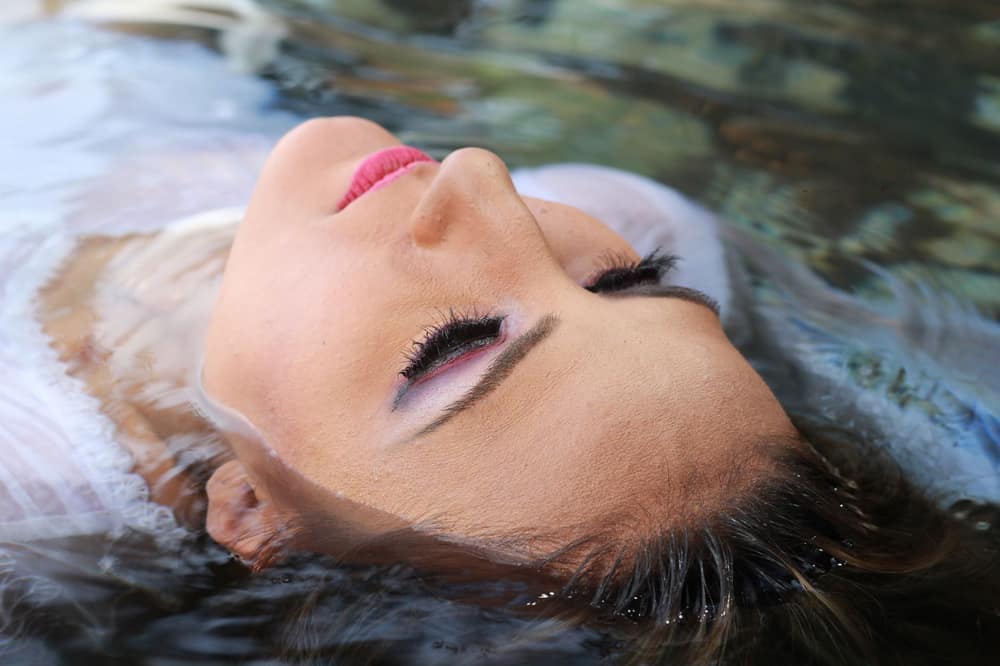
Float therapy is lying back in a tank or pod of body-temperature water saturated with Epsom salt, so you float effortlessly with little light or sound.
64 venues · across Australia
Float therapy at a glance
Top float therapy venues in Australia
64 venues


Float therapy by city
About float therapy
What it is
The water holds a high concentration of magnesium-sulfate (Epsom) salt, making it dense enough to float without effort. Tanks are kept near skin temperature and most block out light and sound. Also called floatation or sensory deprivation.
What a session involves
You shower, then float in a private tank or pod for a session usually around 60 minutes. You can leave the lid open or closed and the light on or off; gentle music often plays at the start and end. You shower again afterward to rinse off the salt.
What people commonly book it for
These describe why people go — they are reasons sought, not outcomes any venue can promise.
- Quiet downtime away from screens and noise
- A weightless rest for the body after training
- Time set aside to switch off and do nothing
- Pairing with a sauna session as part of a wind-down routine
What to look for in a venue
Venues differ in tank style (open pool vs enclosed pod), water hygiene and turnover, and privacy. Each venue profile lists what it offers.
Water hygiene & turnover
Ask how often the water is filtered and fully turned over, and how it's tested between floats. A venue that can describe its filtration cycle plainly is a good sign.
Tank style & privacy
Open pool versus enclosed pod are different experiences — a pod lid can be left open or closed, while a pool room is fully private. Check which the venue runs and whether the room locks.
First-float guidance
Staff should explain how the lid and light work, what to do if salt water gets in your eyes, and how to call for help mid-float. Ask what a first-timer is told before going in.
What's provided
Check what's included — towels, earplugs, a shower before and after, and hair care such as conditioner for rinsing out salt. Not every venue supplies all of these.
Questions worth asking
How is the water filtered and how often is it turned over? Can I leave the lid open? What happens if I need to get out early? Clear answers are a good sign.
How much float therapy costs
| Option | Typical range | Notes |
|---|---|---|
| Casual single float | $60–$110 | The common walk-in price at Australian float centres |
| Intro offer | $40–$70 | Many centres discount a first float |
| 3–5 float pack | $180–$450 | Brings the per-float price down |
| Monthly membership | $150–$250 | Common at dedicated float studios |
Indicative only — typical advertised prices in Australia as of mid-2026. Check current pricing with the venue.
Who should check with a qualified health practitioner first
Speak with your GP or specialist before booking if any of these apply:

You are pregnant (check with the venue and your doctor).

You have open wounds or a skin condition.
You have epilepsy.

You have incontinence or a contagious illness.

You wear contact lenses (remove them first).
Common questions
Is float therapy the same as sensory deprivation?
Floatation and sensory deprivation are two names for the same thing. The tank blocks most light and sound while the water holds you afloat, so external stimulus drops right down.
What if I feel claustrophobic in the tank?
Most pods let you leave the lid open and the light on, and open-pool tanks have no lid at all. Staff can talk you through options before you book if enclosed spaces worry you.
Do I wear anything in the tank?
Most people float without clothing, since swimwear can feel restrictive and the room is private. Swimwear is fine too — it's a personal choice, not a rule.
Will the salt water sting?
The Epsom salt concentration can sting small cuts or grazes, which is why venues ask about open wounds beforehand. It shouldn't sting unbroken skin, but avoid touching your eyes with wet hands.
How long is a float session?
Most sessions run around 60 minutes, including a shower before and after. Some venues offer shorter introductory floats or longer 90-minute sessions.
How often do people float?
Weekly or fortnightly is common for people building it into a routine, though many first try a single float before deciding on a cadence.
What do I need to bring?
Most venues supply towels and earplugs, but check in advance — some ask you to bring your own, and contact lens wearers should bring a case since lenses come out before floating.
Can I float if I can't swim?
Yes. The salt concentration keeps you afloat on your back without effort, so swimming ability isn't needed. The water is usually only knee-to-waist deep.
The full float therapy guide
Read the guide →Pairs well with
The information on this page is general only and is not medical or health advice. It describes what this service is and what people commonly use it for. It is not a diagnosis, treatment, or recommendation, and it does not represent that this service treats, cures, or prevents any disease or condition.
Always consult a qualified health practitioner before starting any recovery or wellness service, especially if you are pregnant, have a medical condition, or take medication.
Listings are compiled from venues and from third-party and public sources and may contain errors or be out of date. A listing is not an endorsement or recommendation. Verify pricing, equipment, hygiene, hours, and suitability directly with the venue before you attend.
"Featured" listings are paid placements. "Verified" means we checked a specific detail at a point in time; it is not a guarantee or an endorsement. See our Terms of Service and Privacy Policy.