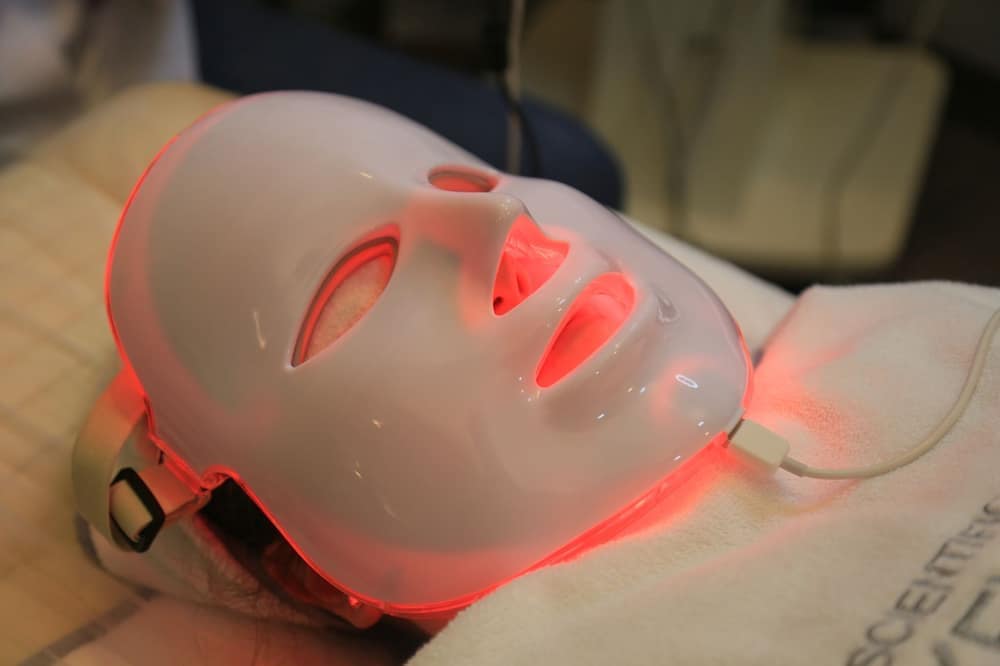
Red light therapy is one of the most heavily marketed recovery services in Australia, and the claims made for it range widely. It is worth separating the uses that have reasonable research behind them from the ones that do not.
Where the evidence is stronger
The most studied uses are in skin — appearance, tone, and some wound-related research — and in certain kinds of short-term muscle soreness after exercise. These are the areas where you will find the most published trials, though study sizes are often small and results vary between people.
Where the evidence is thin
- Weight loss and body contouring: widely advertised, weakly supported.
- Mood and sleep: early and mixed, not something to rely on.
- Broad anti-ageing or longevity claims: more marketing than settled science.
How to read a studio's claims
Be cautious with any venue promising a specific outcome or a fix. In Australia, businesses are not permitted to advertise therapeutic claims that are not substantiated, so confident-sounding guarantees are a reason to ask more questions, not fewer.
If you want to try it, the red light therapy pages on RecoveryMap let you compare studios and see what a session involves.
This is a general summary of the evidence, not medical advice. If you are considering red light therapy for a specific health reason, talk to your GP about whether it makes sense for you.